How Digital Payments Are Transforming the Global Financial System
Discover how digital payments are transforming the global financial system. Learn how mobile payments, fintech, blockchain, and cashless economies drive innovation.
 TechyTalker
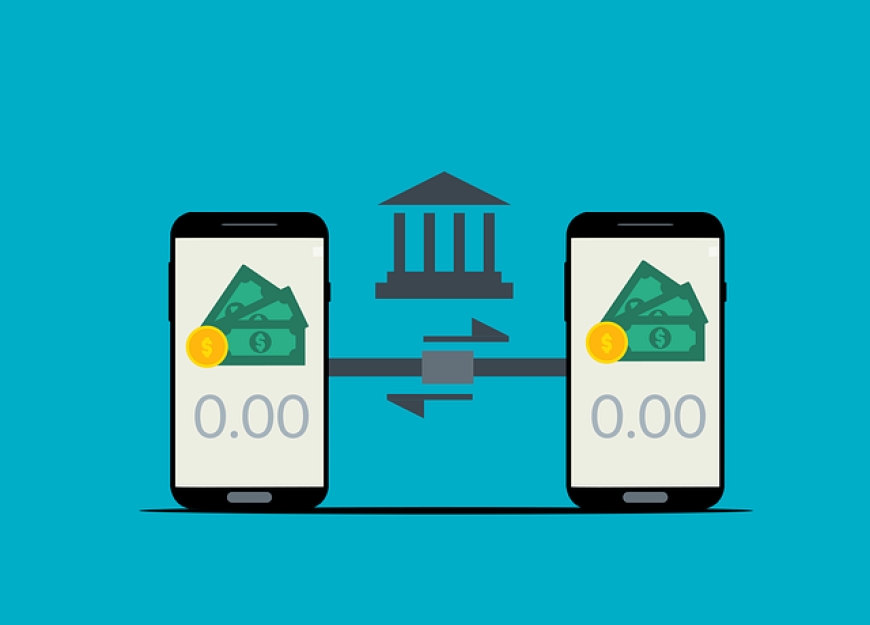
Digital payments are reshaping the way money moves across the world. From mobile wallets and contactless cards to real-time transfers and blockchain-based transactions, digital payment technologies are driving a major shift in the global financial system. As consumers and businesses embrace cashless solutions, financial services are becoming faster, more accessible, and more efficient.
This article explores how digital payments are transforming the global financial system and what this transformation means for the future of finance.
The Rise of Digital Payments
The adoption of digital payments has accelerated rapidly due to technological advancements, smartphone usage, and changing consumer behavior. Governments, banks, and fintech companies are investing heavily in digital infrastructure to support cashless economies.
Digital payments are now a core part of everyday financial transactions.
1. Faster and More Efficient Transactions
Digital payments enable instant or near-instant money transfers, eliminating the delays associated with traditional banking methods.
Key benefits include:
-
Real-time payments
-
Reduced transaction processing time
-
Lower operational costs
Faster transactions improve cash flow for businesses and convenience for consumers.
2. Financial Inclusion and Accessibility
Digital payment systems are expanding access to financial services, especially in developing regions.
How digital payments promote inclusion:
-
Mobile wallets for the unbanked
-
Low-cost digital accounts
-
Remote access to financial services
Millions of people can now participate in the global economy.
3. Growth of Fintech and Innovation
Fintech companies are driving innovation in digital payments by offering user-friendly, secure, and cost-effective solutions.
Key fintech contributions include:
-
Mobile payment apps
-
Peer-to-peer payment platforms
-
Buy Now, Pay Later (BNPL) services
Fintech innovation is increasing competition and improving service quality.
4. Digital Wallets and Mobile Payments
Digital wallets have become central to modern payment systems. They allow users to store money, make payments, and manage finances through mobile devices.
Popular features include:
-
Contactless payments
-
Loyalty and rewards integration
-
Multi-currency support
Mobile payments are reshaping consumer spending habits.
5. Cross-Border Payments Become Easier
Traditional international transfers are often slow and expensive. Digital payments simplify cross-border transactions by reducing intermediaries.
Benefits include:
-
Faster global transfers
-
Lower transaction fees
-
Improved transparency
This transformation supports global trade and eCommerce growth.
6. Enhanced Security and Fraud Prevention
Digital payment systems use advanced security technologies to protect users.
Security measures include:
-
Encryption and tokenization
-
Biometric authentication
-
AI-based fraud detection
Improved security builds trust in digital finance.
7. Blockchain and Digital Currencies
Blockchain technology is influencing digital payments by increasing transparency and efficiency. Cryptocurrencies and central bank digital currencies (CBDCs) are also shaping the future of money.
Blockchain-based payments offer secure, decentralized alternatives to traditional systems.
8. Regulatory Evolution and Compliance
As digital payments grow, governments and regulators are updating policies to ensure security, privacy, and financial stability.
Balanced regulation supports innovation while protecting consumers.
9. Impact on Traditional Banking
Digital payments are forcing traditional banks to modernize their services. Many banks are partnering with fintech companies to remain competitive.
This collaboration is reshaping the financial ecosystem.
The Future of the Global Financial System
The global financial system is moving toward a fully digital, interconnected, and inclusive model. Digital payments will continue to drive innovation, reduce costs, and improve accessibility worldwide.
Conclusion
Digital payments are transforming the global financial system by making transactions faster, more secure, and more inclusive. As technology advances and adoption increases, digital payments will play a central role in shaping the future of finance.
Businesses, governments, and consumers that embrace digital payment solutions will benefit from greater efficiency and financial empowerment.