Top Marketing Trends Redefining Brand Growth in 2026
Explore the top marketing trends redefining brand growth in 2026. Learn how AI, personalization, data-driven strategies, and emerging channels shape modern marketing.
 TechyTalker
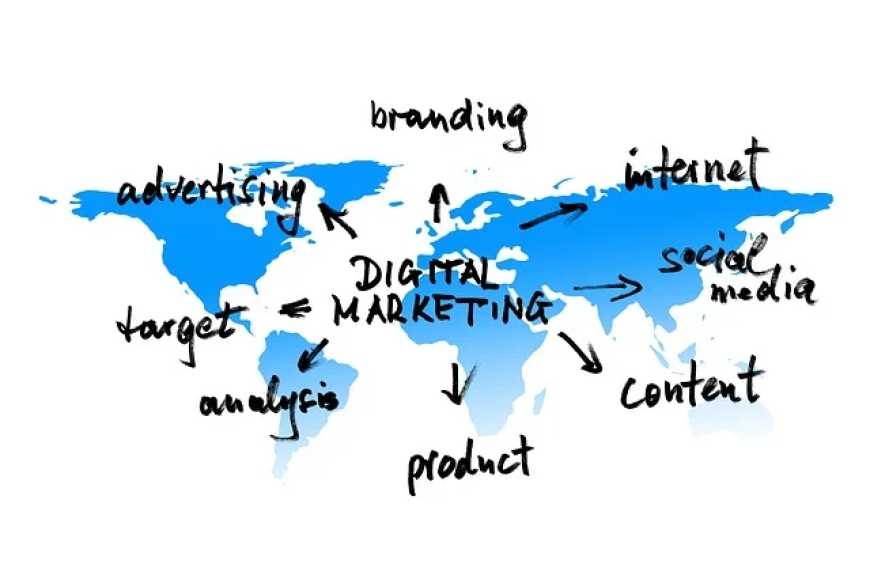
Marketing in 2026 is evolving at an unprecedented pace. Rapid technological innovation, changing consumer expectations, and increasing competition are forcing brands to rethink traditional strategies. To achieve sustainable growth, businesses must adapt to new marketing trends that prioritize personalization, data, authenticity, and innovation.
This article explores the top marketing trends redefining brand growth in 2026 and how brands can leverage them for long-term success.
1. AI-Powered Marketing Becomes Mainstream
Artificial intelligence is transforming how brands analyze data, automate campaigns, and engage customers. In 2026, AI is no longer experimental—it is essential.
Key AI-driven marketing applications include:
-
Predictive analytics for customer behavior
-
AI-generated content and creatives
-
Chatbots and virtual assistants
-
Automated ad optimization
AI helps brands deliver smarter, faster, and more personalized marketing experiences.
2. Hyper-Personalization Drives Engagement
Consumers expect brands to understand their needs and preferences. Hyper-personalization uses real-time data to deliver customized content, offers, and experiences.
Examples include:
-
Personalized product recommendations
-
Dynamic website content
-
Behavior-based email campaigns
Hyper-personalization increases engagement, conversions, and brand loyalty.
3. Data-Driven Marketing Strategies Dominate
Data remains the foundation of modern marketing. Brands in 2026 rely heavily on analytics to optimize campaigns and measure performance.
Benefits of data-driven marketing include:
-
Improved audience targeting
-
Higher return on investment (ROI)
-
Better decision-making
Data enables brands to refine strategies and achieve consistent growth.
4. Omnichannel Marketing Enhances Customer Experience
Customers interact with brands across multiple platforms. Omnichannel marketing ensures a seamless and consistent experience across all touchpoints.
Channels include:
-
Websites and mobile apps
-
Social media platforms
-
Email and messaging apps
-
Physical and digital touchpoints
Consistency across channels builds trust and strengthens brand relationships.
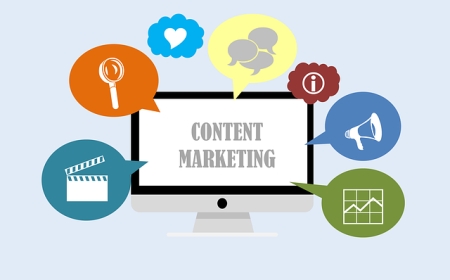
5. Content Marketing Focuses on Value and Authenticity
In 2026, content marketing is shifting toward authenticity and value. Audiences respond better to honest, educational, and relatable content.
Effective content trends include:
-
Storytelling and brand narratives
-
Short-form and long-form video content
-
User-generated content (UGC)
-
Educational and thought leadership content
Authentic content builds brand credibility.
6. Video and Interactive Content Gain Momentum
Video continues to dominate digital marketing, while interactive content increases engagement and participation.
Popular formats include:
-
Short-form videos
-
Live streaming
-
Interactive polls and quizzes
Interactive content creates memorable brand experiences.
7. Influencer and Creator Marketing Evolves
Influencer marketing in 2026 focuses on long-term partnerships and niche creators rather than one-time promotions.
Key changes include:
-
Micro and nano influencers
-
Authentic collaborations
-
Performance-based partnerships
Creator marketing builds trust and expands brand reach.
8. Privacy-First and Ethical Marketing Practices
With increasing data privacy regulations, brands must prioritize ethical marketing and transparency.
Privacy-first strategies include:
-
Responsible data collection
-
Consent-based marketing
-
Secure customer data practices
Trust-driven marketing supports sustainable brand growth.
9. Social Commerce and Community Building
Social media platforms are becoming powerful shopping channels. Social commerce combines content, community, and conversion.
Key benefits include:
-
Direct purchasing within social platforms
-
Stronger community engagement
-
Higher conversion rates
Community-driven brands build long-term loyalty.
10. Sustainability and Purpose-Driven Marketing
Consumers prefer brands that align with their values. Sustainability and social responsibility are shaping brand identity and marketing messaging.
Purpose-driven marketing strengthens emotional connections with audiences.
Conclusion
The top marketing trends redefining brand growth in 2026 highlight a shift toward personalization, data, authenticity, and ethical practices. Brands that embrace AI, omnichannel strategies, and customer-centric approaches will stand out in a competitive marketplace.
By adapting to these trends, businesses can achieve sustainable growth and long-term brand success.